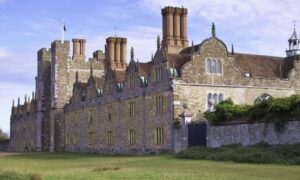
Canterbury
Dating from 597 when, sent by Pope Gregory the Great, St Augustine arrived in Britain as a missionary and became the country’s first Archbishop, Canterbury Cathedral dominates the city’s skyline.
Together with the ancient ruins of St Augustine’s Abbey and St Martin’s (the oldest in England still in use as a parish church), it forms Canterbury’s UNESCO World Heritage Site.
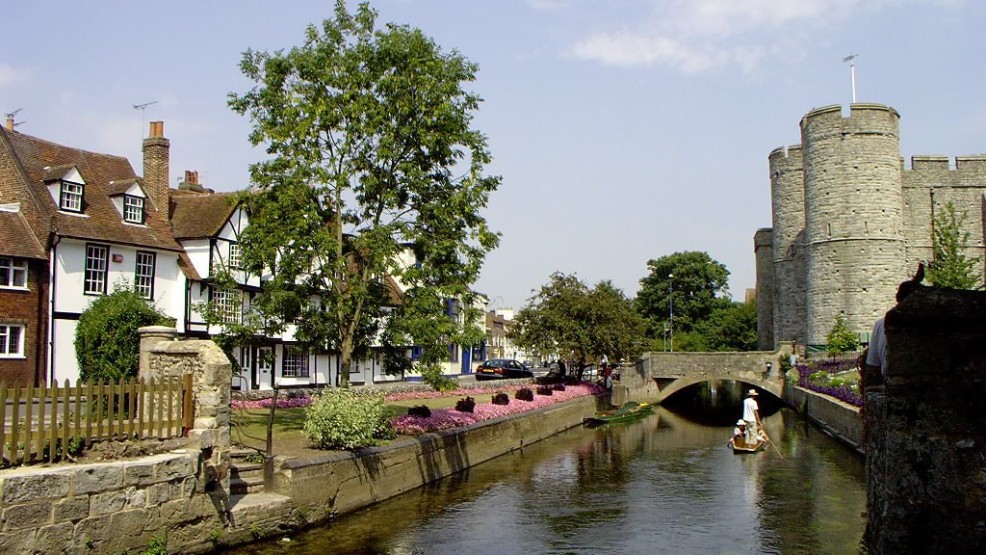
In 1170, Archbishop Thomas Becket was murdered in the Cathedral and, ever since, it has attracted thousands of pilgrims. Beautiful medieval stained glass windows illustrate miracles and stories associated with St Thomas. Other ancient ruins, such as the Castle, are reminders of the city’s history, heritage and culture.


Dover
The “Key to England” for over 900 years, Dover Castle – set atop the famous White Cliffs and the greatest medieval fortress in England – boasts a long and eventful history. From soon after the Norman Conquest of 1066, it was garrisoned continuously until 1958.
At the start of World War II, the existing network of tunnels beneath the castle became a bomb-proof naval headquarters from where, in May 1940, the evacuation of Allied soldiers trapped across the English Channel in Dunkirk was planned.
Venturing into the tunnels, you can immerse yourself in the drama and explore the underground hospital, reliving the tension as a surgeon battles to save an injured pilot. Above ground, the mighty Great Tower, built in the 1180s, has been recreated as it might have appeared when newly completed by King Henry II.
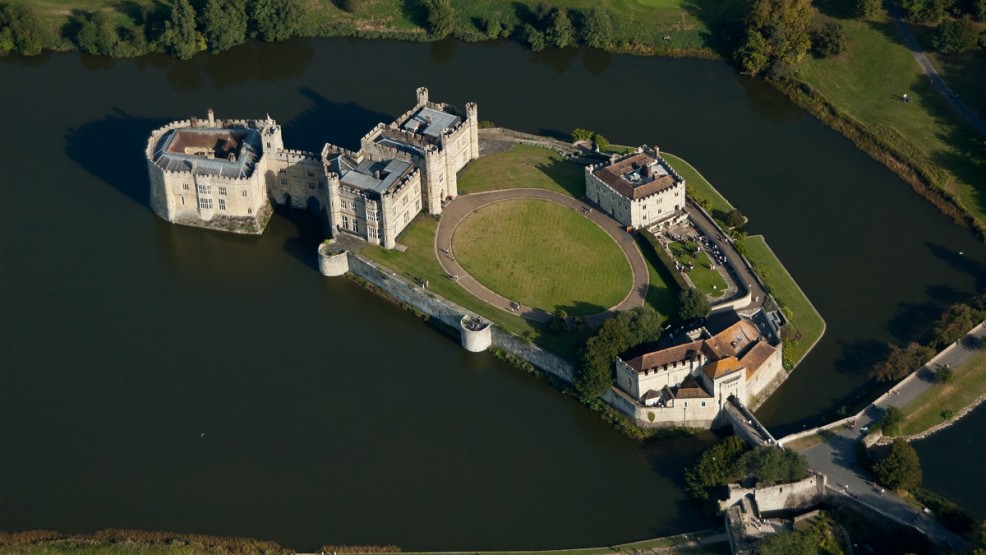
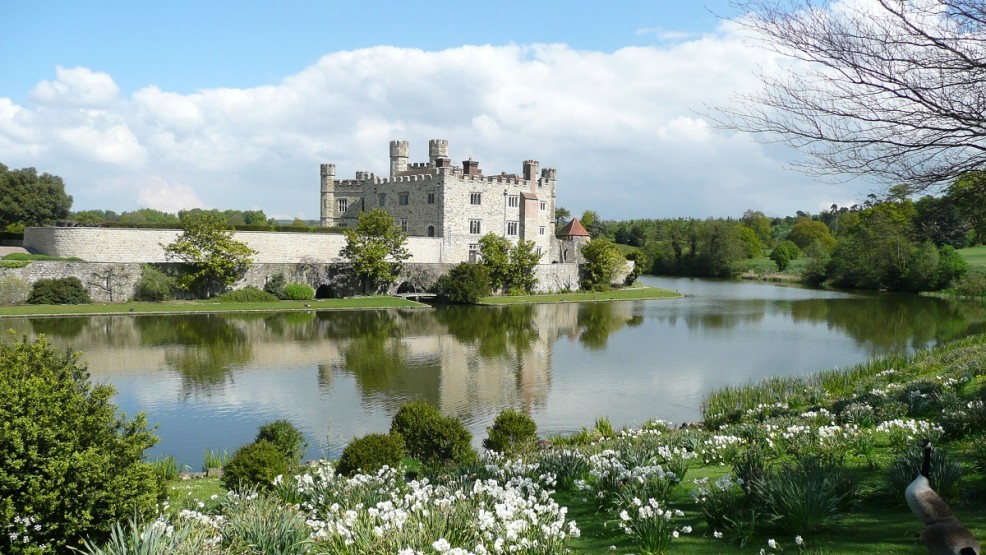



Leeds Castle
Described by historian Lord Conway as “the loveliest castle in the world”, Leeds has, in its long history, been a Norman stronghold, the private property of six of England’s medieval queens, a palace used by Henry VIII and his first wife Catherine of Aragon, a Jacobean country house, a Georgian mansion and an elegant 20th century retreat for the influential and famous.
In the 21st century, it has become one of the most visited historic buildings in Britain. A royal residence for 300 years, it became a private home in the mid-16th century and was passed down – by both inheritance and purchase – through a network of interlinked families for the next four centuries.
The last private owner was the Hon. Olive, Lady Baillie, a wealthy Anglo-American heiress, who acquired the Castle in 1926 when it was sold to pay death duties.